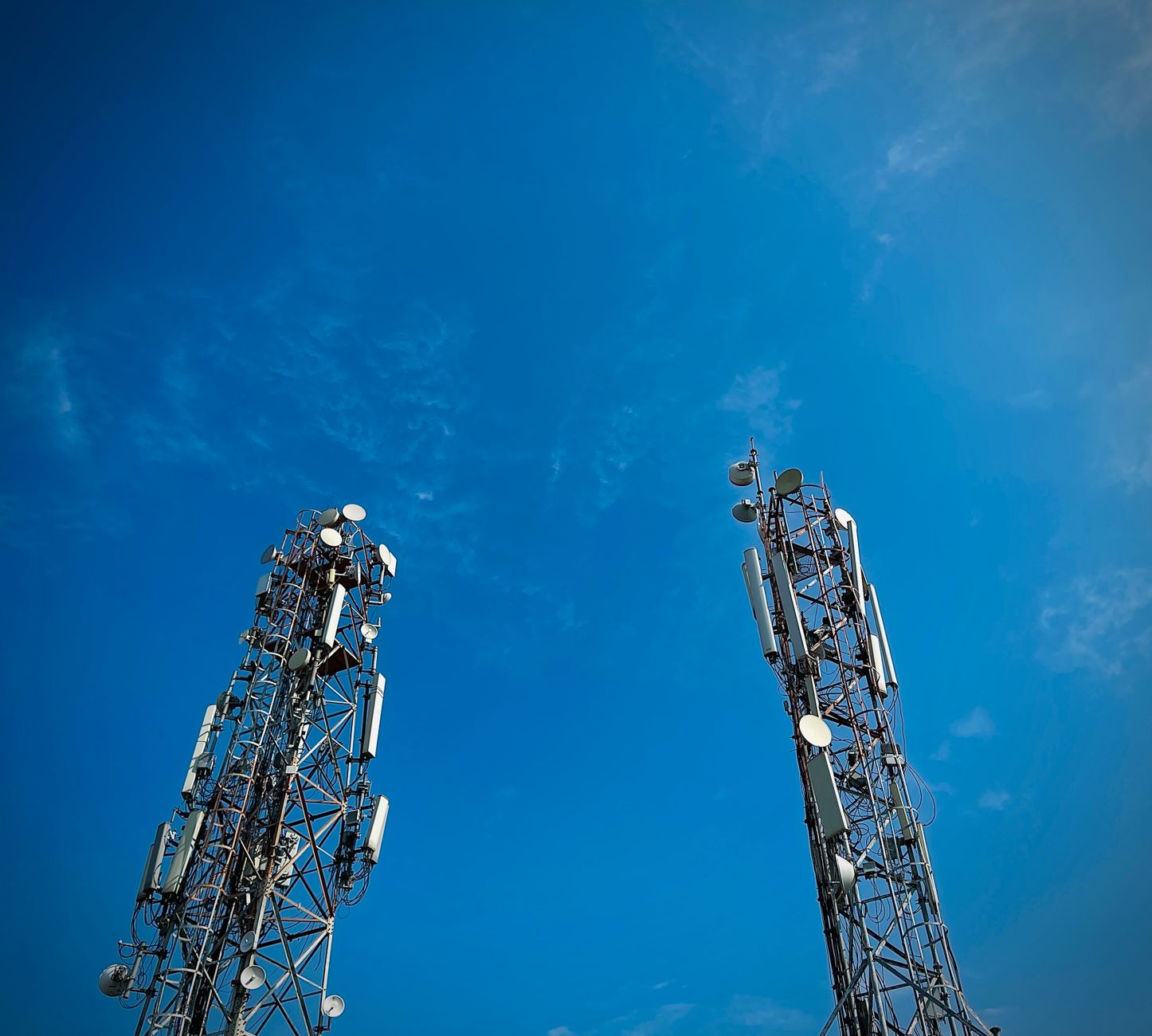
India has over 70,000 local cable operators (LCOs) running the last mile of the country's cable TV and broadband infrastructure. Yet most of them operate without a proper billing system, struggle to retain subscribers, and lose revenue to big telcos every quarter — not because they lack coverage, but because they lack the right tools and knowledge.
This guide covers everything a local cable operator needs to know: what the role actually involves in 2026, how to get registered, what licences you need, how to compete with Jio and Airtel on your own turf, and what software stack the fastest-growing LCOs in India are using to run lean, profitable operations.
Whether you're a new entrant or a 20-year veteran wanting to add fiber broadband to your cable TV business, this is the complete playbook.
Table of Contents
- What Is a Local Cable Operator?
- LCO Registration: How to Get Licensed in India (2026)
- LCO Licence: Postal Registration and Renewal
- How Local Cable Operators Make Money
- Cable TV vs Broadband: Should Your LCO Do Both?
- How LCOs Can Compete with Jio and Airtel
- Running a Modern LCO: Tools and Software
- Subscriber Management for Local Cable Operators
- Field Operations and Technician Dispatch
- FAQ: Local Cable Operator
What Is a Local Cable Operator?
A local cable operator is a licensed entity — individual or company — that distributes cable TV signals and/or broadband internet to subscribers within a defined geographic area, typically a neighbourhood, ward, or panchayat. LCOs sit at the bottom of the cable distribution chain:
- Content providers and broadcasters → Multi-System Operators (MSOs) → Local Cable Operators → End subscribers
- LCOs receive the encrypted signal feed from an MSO (like Siti Networks, Den Networks, or a regional MSO) and redistribute it to homes over coaxial or fiber cable.
- In the broadband model, LCOs can operate as ISP resellers under a parent ISP licence, or hold their own DPIIT/DoT ISP Category B or C licence.
As of January 2025, LCO registration shifted fully online via the Ministry of Information & Broadcasting's Broadcast Seva portal (broadcastseva.gov.in). This was a landmark change — operators no longer need to visit government offices or submit physical documents.
India's TRAI (Telecom Regulatory Authority of India) regulates cable TV tariffs and LCO-MSO interconnection agreements. Understanding TRAI's framework is essential for any LCO billing structure.
LCO Registration: How to Get Licensed in India (2026)
As of 2026, local cable operator registration is done entirely online. Here's the step-by-step process:
- Visit broadcastseva.gov.in — the official MIB portal for broadcast registrations.
- Create an account using your Aadhaar-linked mobile number.
- Select 'LCO Registration' under the Distribution Platform Operators section.
- Fill in your details: name, address, area of operation (ward/panchayat/district), MSO affiliation.
- Upload documents: Aadhaar, PAN, proof of address, MSO interconnection agreement copy.
- Pay the registration fee: ₹5,000 (as of 2025, per PIB notification dated January 17, 2025).
- Submit and track status on the portal. Approval typically takes 15–30 working days.
Important: You need an active interconnection agreement with a licensed MSO before applying. Without this, your application will be rejected. If you're starting fresh, approach your nearest MSO (Siti Networks, Den Networks, Hathway, or regional MSOs like Kerala Vision or Asianet Digital) to sign an agreement first.
Once registered on Broadcast Seva, you're legally authorised to operate. However, you also need a postal licence for cable TV — covered in the next section.
LCO Licence: Postal Registration and Renewal
The postal licence is a separate requirement under the Indian Telegraph Act. It's issued by the Department of Posts (under the Ministry of Communications) and authorises you to lay cables in public spaces — on roads, across streets, and along buildings.
How to Get the Postal Licence
- Apply to your nearest Head Post Office (GPO) with a filled application form.
- Submit a layout plan of your cable network area.
- Pay the prescribed fee (varies by state and network size).
- The licence covers the physical cable laying rights — distinct from the MIB broadcast licence.
Postal Licence Renewal Online
Many states have moved renewal online. Check your state's postal circle website for the specific process. You'll need your existing licence number, current address proof, and a renewed MSO agreement. Renewal typically happens every year or two years depending on the licence terms.
Missing renewal deadlines can result in penalties and technically puts your operations in a grey zone. Set calendar reminders — and if you're managing multiple zones, track renewal dates centrally.
Managing licence renewal dates, subscriber counts by zone, and compliance deadlines manually is a recipe for missed deadlines. lno360's operator dashboard lets you track all your operational data — including licence status reminders — in one place.
How Local Cable Operators Make Money
An LCO's revenue comes from three primary streams:
- Cable TV subscriptions: Monthly subscriber fees, split with the MSO per TRAI-mandated interconnection norms. Typical LCO share: ₹50–120 per subscriber per month depending on the MSO deal and plan.
- Broadband subscriptions: Higher-margin revenue. If you operate as a broadband reseller or hold your own ISP licence, ARPU can range from ₹300–700/month per subscriber.
- Installation charges: One-time fee for STB installation, cable laying to premises, or fiber termination. Ranges from ₹500–2,000 in most markets.
The real margin expansion opportunity in 2026 is broadband. Cable TV ARPU has been stagnant or declining due to OTT competition and Jio's entry. Operators who've added fiber broadband services report 3–4x higher revenue per subscriber compared to cable TV alone.
An LCO in Thrissur, Kerala shared that after adding fiber broadband to his cable TV base of 1,200 subscribers, his monthly revenue doubled — even though only 400 subscribers took up broadband.
Manual billing — WhatsApp messages, notebook registers, or Excel sheets — leaks revenue through forgotten collections and no payment tracking. lno360's automated billing and collections module generates monthly invoices automatically, sends payment reminders via SMS/WhatsApp, and flags overdue subscribers — so you collect more with less effort.
Cable TV vs Broadband: Should Your LCO Do Both?
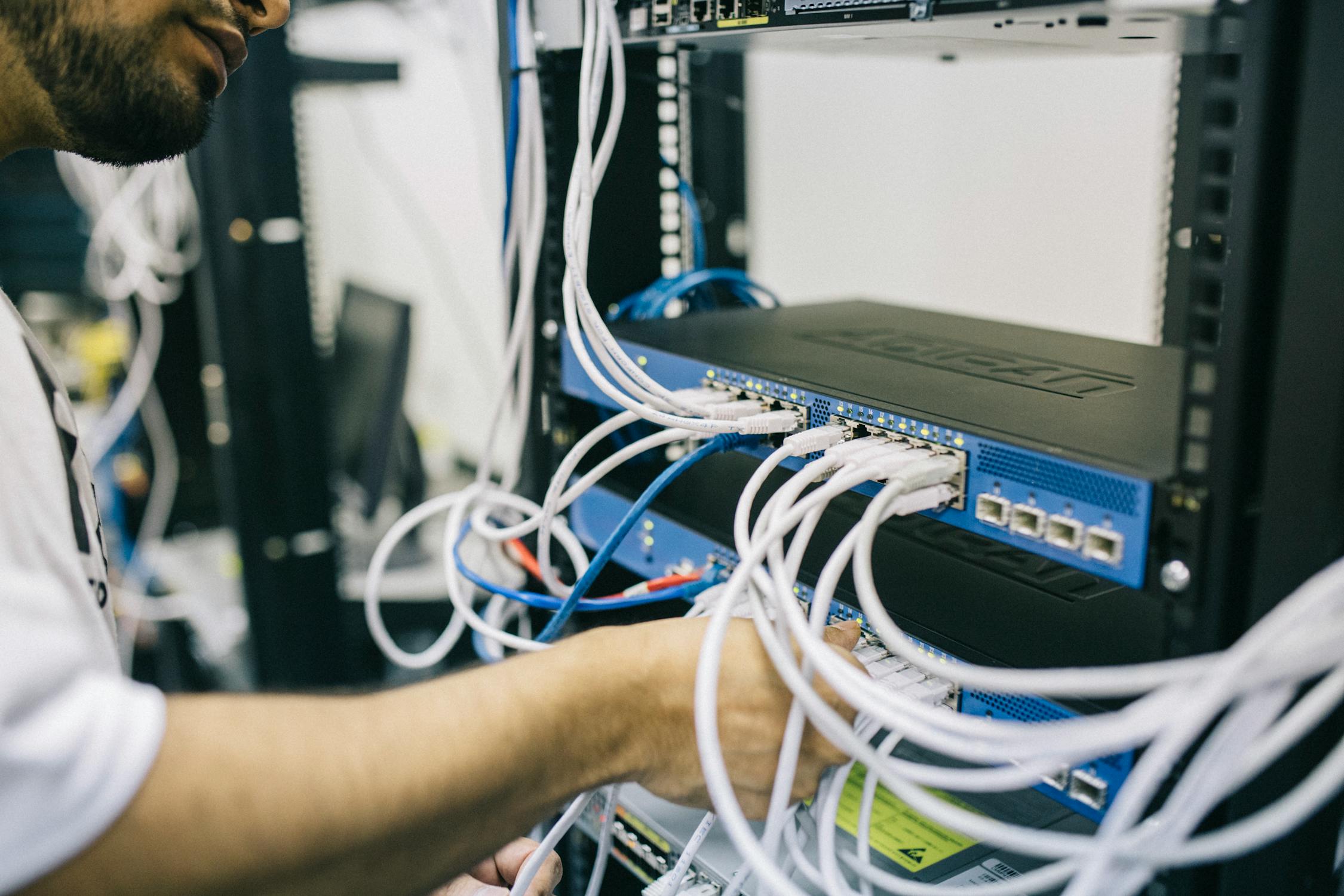
The short answer: yes, if your infrastructure allows it. The longer answer depends on your current network type.
Coaxial-only networks
If you're on a pure coaxial (HFC) cable network, you can offer internet over cable using DOCSIS technology — but this requires upgrading headend equipment and is capital-intensive. Most small LCOs skip this and instead lay a separate fiber line for broadband.
Hybrid fiber-coaxial networks
Many LCOs in South India (Kerala, Tamil Nadu, Karnataka) have already partially fiber-ified their networks. Running fiber to the building and coaxial within the building (FTTB) is the most common upgrade path. Internet speeds of 50–200 Mbps are achievable at relatively low investment per subscriber.
Pure fiber networks (FTTH)
New LCOs entering the market in 2024–2026 are often skipping cable TV entirely and starting as pure fiber broadband operators. The BharatNet Phase 3 rollout is also creating opportunities for LCOs to become last-mile broadband providers in rural and semi-urban panchayats using BharatNet backhaul.
The key regulatory point: to offer internet services independently (not as a reseller), you need an ISP licence from the Department of Telecommunications (DoT). Category C ISP licence covers a single district, and the application fee is ₹2 lakh.
How LCOs Can Compete with Jio and Airtel
The number one complaint from LCOs across India: "How do we compete with Jio?" The answer isn't price — you can't win on price against a ₹2-lakh crore company. The answer is local advantage.
Your moat: speed, trust, and hyper-local service
- Same-day installation: Jio takes 3–7 days. You can do it in 3 hours. Promote this loudly.
- Personal relationships: Subscribers know your name, your face, your number. Jio is a call centre. You're a neighbour.
- Flexible payment: You can accept cash, offer payment by instalment, waive late fees for good customers. Jio can't.
- Bundle value: Combine cable TV + broadband + OTT reselling (through licensed aggregators) for a package no single telco matches locally.
- Community trust: LCOs who sponsor local events, school sports days, or temple festivals build brand loyalty that Jio's outdoor advertising can't replicate.
The operators winning against Jio in South India aren't the ones with the cheapest plans. They're the ones who respond to complaints in under 2 hours and never give subscribers a reason to look for alternatives.
Fast complaint resolution is your competitive edge. lno360's ticketing system logs every subscriber complaint, assigns it to a technician, and tracks resolution time — so you always know what's open and how fast your team is responding. Operators using structured complaint tracking report 40% fewer repeat complaints.
Running a Modern LCO: Tools and Software
Most LCOs in India still run on WhatsApp groups and paper registers. This works until you hit 200+ subscribers — then it starts costing you money.
Here's what a well-run LCO operation looks like in 2026:
- Subscriber database: Every subscriber's name, address, plan, payment status, and connection history in one searchable system — not scattered across notebooks.
- Automated billing: Monthly invoices generated and sent automatically. Payment links via UPI. Overdue alerts to your field team.
- Complaint ticketing: Every fault logged with timestamp, assigned to a technician, and closed with resolution notes.
- Network monitoring: Know about OLT faults, fiber cuts, and power outages before subscribers call you.
- Field ops dispatch: Technician assignments, job statuses, and travel routes managed from your phone.
This entire stack is what lno360.com is built for — a single SaaS OS designed specifically for Indian LCOs and ISPs. No generic billing software that doesn't understand Indian cable TV pricing. No enterprise ERP that costs ₹10 lakh and takes 6 months to implement. lno360 is built by people who understand how LCOs actually operate.
Subscriber Management for Local Cable Operators
Subscriber churn is the silent killer of LCO profitability. The average LCO loses 8–12% of subscribers annually — often without even knowing who churned or why.
Effective subscriber management means:
- Knowing your active vs inactive subscriber count in real time
- Tracking payment history: who's paid, who's overdue, who's habitually late
- Managing plan changes: upgrades, downgrades, temporary suspensions (like when a subscriber travels for a month)
- Recording reason for disconnection: this is gold for understanding why you're losing subscribers
- Tracking referrals: know which subscribers brought new customers to reward them
LCOs using lno360's subscriber management dashboard have a live view of their entire subscriber base — active count, revenue per subscriber, churn rate, and collection efficiency — all without needing to export Excel files or call your billing assistant.
Field Operations and Technician Dispatch
A cable or fiber network is only as reliable as your field team. When a node goes down at 9 PM, the difference between a subscriber calling you back in 2 hours vs 2 days is your dispatch system.
Best-in-class LCO field operations look like this:
- Complaint received → auto-logged in system → assigned to nearest available technician
- Technician gets notified on their phone with subscriber address, fault description, and any prior complaint history
- Technician updates job status: en route, on-site, resolved
- Subscriber gets SMS notification when technician is on the way
- Supervisor sees live map of open jobs and technician locations
This isn't enterprise fantasy — it's standard for the top 10% of LCOs in Kerala and Tamil Nadu who are growing 30–40% year-on-year while their peers stagnate.
lno360's technician dispatch feature enables exactly this workflow — from complaint logging to technician assignment to resolution tracking — built for the reality of Indian field teams who primarily work from smartphones.
FAQ: Local Cable Operator
What is a local cable operator (LCO)?
A local cable operator is a licensed entity that distributes cable TV signals (and increasingly, broadband internet) to subscribers in a defined local area. LCOs work under MSOs for cable TV distribution and may additionally hold ISP licences for broadband. In India, LCOs must register via the Ministry of I&B's Broadcast Seva portal and hold a postal licence for cable laying.
What is the registration fee for LCO in India?
The government registration fee for LCO on the Broadcast Seva portal is ₹5,000, effective from January 2025 per PIB notification. This is separate from the postal licence fee for cable laying rights, which varies by state and network size.
How do I find my local cable operator?
For consumers: check JustDial or Google Maps for 'cable operator near me'. Most LCOs also post their number on the local cable box at your building entrance or community notice board. Alternatively, ask a neighbour — your cable operator is almost always the same for an entire building or street.
Can a local cable operator also provide broadband internet?
Yes. LCOs can offer broadband as a reseller under a parent ISP's licence, or independently by obtaining a DoT ISP licence (Category C for single-district coverage, fee ₹2 lakh). Many LCOs in South India now run dual businesses — cable TV and fiber broadband — from the same network infrastructure.
How to renew LCO licence online?
LCO registration renewal is done via broadcastseva.gov.in. Log in with your registered credentials, go to your existing licence, and initiate a renewal. You'll need updated documents and payment of the renewal fee. For the postal licence (cable laying), renewal is through your state postal circle office — many have online portals now.
How do small LCOs compete with Jio and Airtel?
LCOs compete on speed of service (same-day installation and same-day fault resolution), local trust, flexible payment options, and hyper-local value bundles that combine cable TV and broadband. Price competition with large telcos is a losing game; service differentiation is the winning strategy. LCOs who respond to complaints within 2 hours and maintain >98% network uptime consistently outperform big telco penetration in their areas.
Conclusion: The Local Cable Operator Is Not Going Away
India's 70,000+ local cable operators remain the backbone of last-mile media and internet delivery — especially in tier-2, tier-3, and rural markets where big telcos have network coverage but not the community relationships that drive loyalty.
The operators who will thrive in the next 5 years are those who get properly licensed, add broadband to their cable TV base, and modernise their operations with the right software tools. The playbook is clear: registration → compliance → broadband upgrade → operational software → subscriber growth.
If you're running an LCO in India and want to move from notebooks and WhatsApp to a proper operating system, lno360.com is the platform built specifically for you — billing, ticketing, subscriber management, field ops, and network monitoring in one place. Try it free today.